
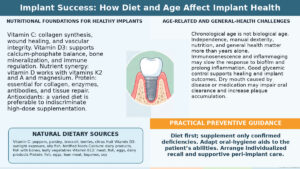
The Impact of Nutrition on Peri-Implantitis: The Role of Vitamins and Patient Age – Part 2
Nutrition cannot replace oral hygiene, professional biofilm control, or dental treatment. It can, however, influence tissue repair, bone metabolism, immune function, and the ability to maintain healthy tissues around an implant. This second part examines vitamins, minerals, protein, patient age, medication use, functional capacity, and the need for individualized supportive
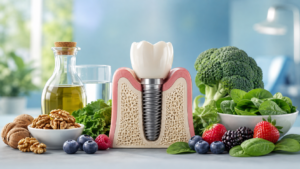
Nutrition and the Health of Tissues Around Dental Implants
PERI-EDU Patient Education Nutrition and the Health of Tissues Around Dental Implants Learn how balanced nutrition, metabolic health and cooperation between your dentist and dietitian can support healing and long-term care around dental implants. Peri-implantitis is a chronic inflammatory condition affecting the gums and bone around a dental implant. It
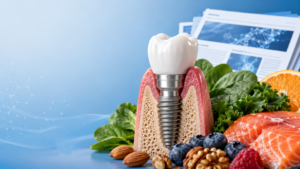
The Impact of Nutrition on Peri-Implantitis: The Role of Vitamins and Patient Age – Part 1
Peri-implantitis (inflammation around the implant) is a chronic inflammation of the tissues surrounding the dental implant. It covers both the gums and the bone that holds the implant. The disease leads to gradual bone destruction, which may result in loosening, loss of the implant and, in some cases, general deterioration

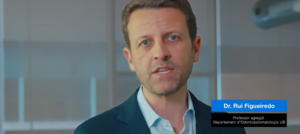
What type of guided surgery is there?
Professor Rui Figueiredo from the Department of Dentistry UB explains the types of guided surgery in the series “What you need to know about dental implants?”
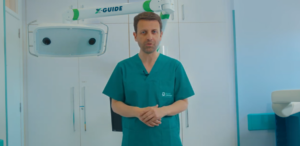
Dynamic guided surgery system
Professor Rui Figueiredo from the Department of Dentistry UB explains the types of guided surgery in the series “What you need to know about dental implants?”
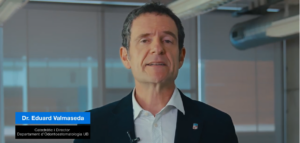
Self-examination: What is normal and what is not
Professor Eduard Valmaseda Castellón from the Department of Odontostomatology UB explains what is normal and what is not with dental implants and their maintenance in the series “What you need to know about dental implants?”
Differences between implants and teeth
Professor Eduard Valmaseda Castellón from the Department of Odontostomatology UB explains the differences between implants and teeth in the series “What you need to know about dental implants?”
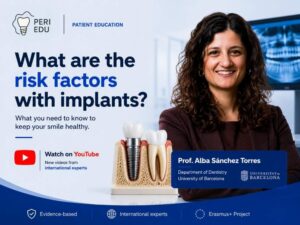
What are the risk factors with implants?
Professor Alba Sánchez Torres from the Department of Dentistry, UB explains the various risk factors with implants in the series “What you need to know about dental implants?”
Maintenance of implants
Professor Josep Arnabat Domínguez from the Department of Dentistry, UB, explains how to maintain dental implants in the series “What you need to know about dental implants?”
Mechanical complications of dental implants
Professor Rui Figueiredo from the Department of Odontostomatology UB explains the mechanical complications of dental implants in the series “What you need to know about dental implants?”
Cleaning teeth vs. cleaning implants
Professor Eduard Valmaseda Castellón from the Department of Odontostomatology UB explains the differences between implants and teeth in the series “What you need to know about dental implants?”
Do I have enough bone?
Professor Eduard Valmaseda Castellón from the Department of Odontostomatology UB shows us a diagnosis and treatment plan with dental implants in the series “What you need to know about dental implants?”

Fixed and non-fixed prostheses?
Professor Josep Arnabat from the Department of Dentistry, UB, describes fixed and non-fixed prostheses in the series “What you need to know about dental implants?”
Which option is more recommended: endodontics or implant?
Professor Josep Arnabat (University of Barcelona) explains when a tooth can be saved with root canal treatment and when a dental implant may be the better option. Watch this episode of our educational series, “What Should You Know About Dental Implants?”
Dental implants. What are they and how are they placed?
Professor Eduard Valmaseda Castellón from the Department of Odontostomatology UB explains what dental implants are and how they are placed in the series “What you need to know about dental implants?”
Types of prostheses on implants
Professor Josep Arnabat from the Department of Odontostomatology UB presents alternatives to dental implants in the series “What you need to know about dental implants?”
Diagnosis and treatment plan with dental implants
Professor Eduard Valmaseda Castellón from the Department of Odontostomatology UB shows us a diagnosis and treatment plan with dental implants in the series “What you need to know about dental implants?”
Alternatives to dental implants. Fixed prosthesis
Professor Josep Arnabat from the Department of Odontostomatology UB presents alternatives to dental implants in the series “What you need to know about dental implants?”

Do implants hurt?
Professor Alba Sánchez Torres from the Department of Odontostomatology UB explains the probability of suffering discomfort with implants in the series “What you need to know about dental implants?”
What materials are used to make dental implants?
Professor Eduard Valmaseda Castellón from the Department of Odontostomatology UB explains what dental implants are and how they are placed in the series “What you need to know about dental implants?”
Alternatives to implants in toothless patients
Professor Josep Arnabat from the Department of Odontostomatology UB presents alternatives to implants in toothless patients in the series “What you need to know about dental implants?”
What are dental implants?
Professor Alba Sánchez Torres of the Department of Dentistry and Stomatology of the UB describes what dental implants are in the series “What do you know about dental implants?”
Can implants be placed in patients with diseases?
Professor Rui Figueiredo from the Department of Dentistry at the UB explains the feasibility of placing implants in patients with diseases in the series “What you need to know about dental implants?”
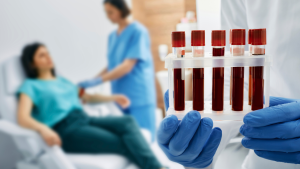
What can blood tests tell us about inflammation around implants?
Blood tests are not used to diagnose peri-implantitis on their own. They do not replace examination of the implant, gum, bone, or an X-ray. However, they may help the clinician better understand the general condition of the body, especially when chronic inflammation, diabetes, or other diseases affecting healing are present.
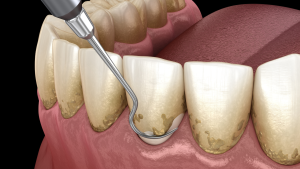
From mucositis to peri-implantitis: why early inflammation should be stopped
Inflammation around an implant does not always mean a serious disease at once. At first, it may affect only the gum and can often be reversed. This stage is called peri-implant mucositis. The problem becomes more serious when inflammation continues and starts to affect the bone around the implant. This
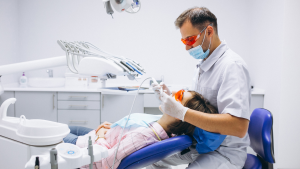
Bleeding around an implant: a small sign, an important signal
Blood when brushing or cleaning around an implant should not be treated as normal. Bleeding may be one of the first signs of gum inflammation around the implant. It does not always mean a serious problem, but it is always a signal worth checking. The earlier you find the cause,

Diabetes and implants: why blood sugar control matters
Diabetes does not always exclude implant treatment, but it requires good control. High blood sugar may make healing more difficult, intensify inflammation, and increase the risk of problems around implants. If you have diabetes, tell your dentist and keep up with both dental and general medical check-ups. Implants can be
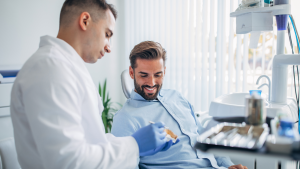
Why can peri-implantitis progress faster than gum disease?
An implant replaces a tooth, but it is not a tooth. The tissues around an implant are different from the tissues around a natural tooth. This is why inflammation around an implant may sometimes progress faster and be harder to notice. It is one of the reasons why implants need