
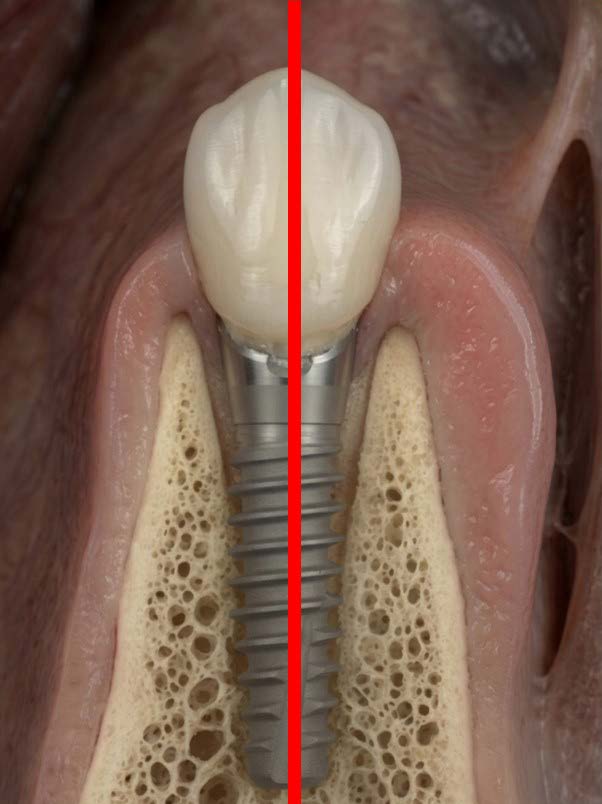
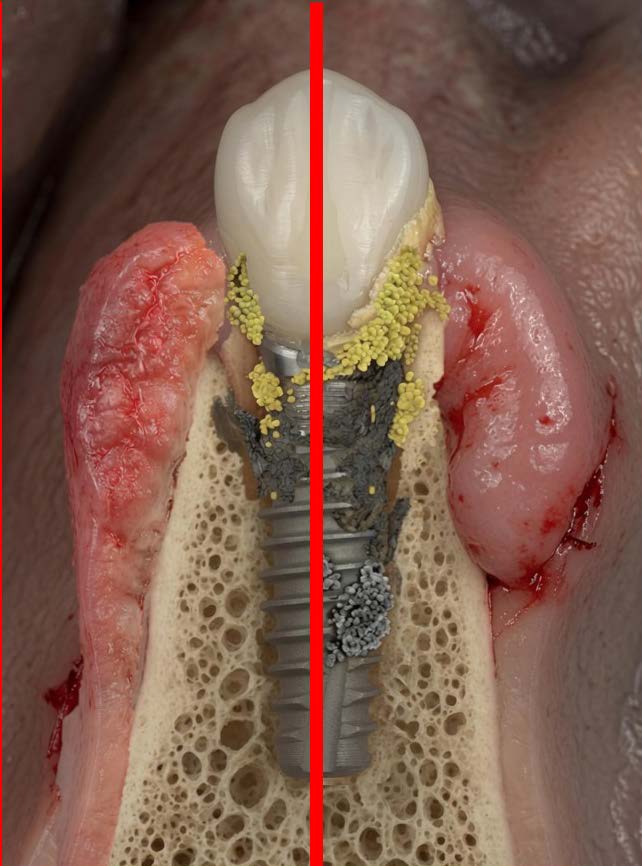
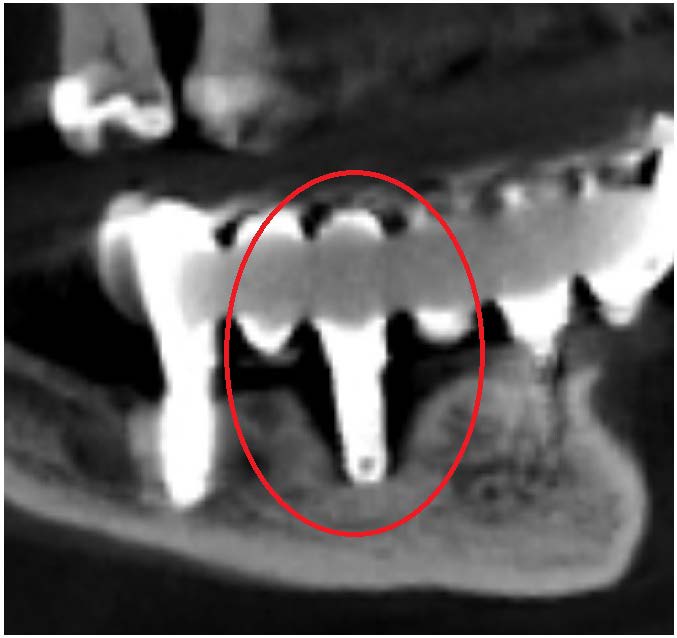
Peri-implantitis (inflammation around the implant) is a chronic inflammation of the tissues surrounding the dental implant. It covers both the gums and the bone that holds the implant. The disease leads to gradual bone destruction, which may result in loosening, loss of the implant and, in some cases, general deterioration of health. Peri-implantitis is one of the greatest challenges of modern dentistry and regenerative medicine. This disease affects approximately 22% of patients with dental implants and is characterized by progressive, irreversible bone loss around the implant, which, if left untreated, leads to the loss of the implant and the formation of a large bone defect.
Peri-implantitis – a local or systemic problem?
Dental implants have become a common and predictable method of replacing missing teeth. Their presence, however, does not mean that the problem of oral diseases has been definitively solved. One of the most important complications of implant treatment is peri-implantitis, i.e. inflammation of the tissues surrounding the implant, accompanied by progressive loss of the supporting bone.
The disease is usually preceded by peri-implant mucositis – inflammation limited to soft tissues. The gum around the implant becomes red, swollen and bleeding on examination, but there is no progressive bone loss yet. At this stage, the changes are usually reversible. However, if the inflammation persists, it may involve the bone, leading to exposure of the implant surface, deepening of the peri-implant pocket, appearance of purulent secretion, unpleasant breath odor, and in advanced cases – to loosening and loss of the implant [1].
The scale of the problem is not small. The results of systematic reviews indicate that peri-implantitis may affect approximately one fifth of patients with implants, although the reported values vary depending on the adopted definition of the disease, the length of observation and the characteristics of the study population [2].
Until now, it was believed that the direct cause of inflammation was the bacterial biofilm accumulating on the surface of the implant and its prosthetic restoration. However, it turned out that bacteria do not act in isolation from the host organism. Whether the presence of dental plaque triggers a mild or excessive inflammatory response also depends on smoking, the presence of diabetes, previous periodontal disease, the quality of hygiene, the regularity of follow-up visits, and the patient’s overall health [3]. According to the latest reports, peri-implantitis is an immunological and biological response of the body that may appear regardless of the time of implantation. It may occur immediately after implantation or many years after, even when no previous alveolar bone loss had been observed. Therefore, the general condition of the patient, including the host’s immune response, is currently of greatest importance in the etiopathogenesis of inflammation. More and more research also indicates that the immune response and the ability of tissues to heal may be influenced by diet.
Diet cannot replace brushing, cleaning of interdental spaces or professional implant care. It cannot be treated as an independent method of treating peri-implantitis. However, it is a valuable complement to comprehensive dental prevention, influencing blood glucose levels, lipid metabolism, oxidative stress, epithelial regeneration, bone tissue metabolism and the activity of immune system cells. Thus, it may reduce or increase the susceptibility of the tissues around the implant to the development of inflammation and damage. The importance of this issue increases with the age of patients. The chronological age itself has not been clearly confirmed as an independent cause of peri-implantitis. However, older people more often have coexisting metabolic diseases such as diabetes, hypertension, fatty liver disease, as well as osteoporosis, gastroesophageal reflux, dry mouth, limited manual dexterity and nutritional deficiencies. Decreased appetite, difficulty chewing, the use of many medications and poorer absorption of some ingredients may lead to, among others, deficiencies of protein, vitamin D, vitamin B12, calcium, iron and folic acid. At the same time, poorer manual dexterity may make it difficult to thoroughly clean implants [4].
For this reason, in a patient with implants, not only the local condition of the oral cavity should be assessed, but also the diet, chronic diseases, medications taken and the ability to maintain hygiene independently. This applies especially to the elderly, patients with diabetes, people using elimination diets and patients with diagnosed vitamin deficiencies. The following sections will discuss dietary ingredients that may increase inflammation, as well as products and nutrients that support a proper immune response, soft tissue regeneration and bone maintenance around the implant.
Authors

Marzena Dominiak
Department of Dental Surgery, Wroclaw Medical University

Karolina Rybarska
‘Całkiem Zdrowo’ Dietetic Clinic, Kraków, www.calkiemzdrowo.pl

Jacek Matys
Department of Dental Surgery, Wroclaw Medical University

Umberto Romeo
Sapienza University of Rome, Italy

Tomasz Gedrange
Department of Dental Surgery, Wroclaw Medical University
Pro-inflammatory and anti-inflammatory diet – what can change the course of the disease?
Diet can significantly influence the oral environment and the intensity of the body’s inflammatory response. For this reason, a highly processed diet, rich in simple sugars, trans fats and saturated fatty acids, may intensify the inflammatory process. However, an adequate supply of vegetables, fruit, fiber, fish and unsaturated fatty acids may support the protection of the tissues around the implant. This does not mean that changing the diet can cure peri-implantitis, but it may reduce the immune response by reducing metabolic inflammation (metaflammation).
In recent years, plant-based diets, including vegetarian and vegan diets, have gained increasing interest due to their potential impact on metabolic health and oral health, including the health of periodontal tissues [Azzola]. A vegetarian diet involves the elimination of meat and, depending on its variety, may include the consumption of fish and seafood (pesc-vegetarianism), eggs (ovo-vegetarianism), dairy products (lacto-vegetarianism) or eggs, dairy products and honey (lacto-ovo-vegetarianism). The most restrictive form is veganism, which involves the complete elimination of animal products. A properly balanced vegan diet is usually richer in dietary fiber, magnesium, folic acid, vitamins C and E, iron and compounds with antioxidant properties, and at the same time provides less dietary energy, saturated fatty acids and cholesterol. However, it should be remembered that eliminating animal products increases the risk of deficiency of some nutrients, primarily vitamin B12, and in some cases also vitamin D, calcium, iron, zinc or long-chain omega-3 fatty acids. For this reason, a plant-based diet can only support health if it is properly balanced and supported by appropriately selected supplementation [12].
Although numerous studies indicate that a properly balanced vegetarian and vegan diet may be associated with a lower risk of cardiovascular disease, obesity and type 2 diabetes, these benefits do not result solely from the elimination of meat. More and more attention is being paid to the overall quality of the diet, the degree of processing of the products consumed and their impact on metabolism and chronic inflammation. Reducing the consumption of red and processed meat is often associated with lower consumption of saturated fatty acids, but it is now known that the development of atherosclerosis is a complex process. It includes not only lipid metabolism disorders, but also chronic inflammation, endothelial dysfunction and metabolic abnormalities. Industrially produced trans fatty acid isomers remain particularly unfavorable and are present, among other products, in some confectionery and fast food products. In turn, a diet rich in unsaturated fatty acids, present, among others, in olive oil, fish, nuts and avocados, helps maintain a proper lipid profile.
At the same time, the mere elimination of meat does not guarantee the correct composition of the diet. A vegetarian or vegan diet may also promote the development of metabolic disorders if it is based mainly on highly processed products, with a high glycemic index and load and a high content of simple sugars and fats. The method of preparing starch-rich products is also important, as it may influence the content of resistant starch and the impact on the intestinal microbiota. In turn, in the case of diets containing large amounts of milk and milk products, their potential pro-inflammatory impact on the profile of metabolites produced by the intestinal microbiota is increasingly discussed. The method of eating fruit, which is the basis of plant-based diets, should also be adapted to the patient’s health condition. In people with carbohydrate metabolism disorders, not only the amount of fruit consumed, but also their form and the way they are combined with other elements of the meal may be important. In practice, this means that every diet, regardless of whether it is traditional, vegetarian or vegan, requires proper balance, preferably by a clinical dietitian.
In the prevention of atherosclerosis and oral diseases, it is also necessary to take care of the intestinal and oral microflora, because more and more research shows that the intestinal microbiota and oral microbiota are closely interconnected, and disturbances in their composition may promote chronic inflammation. Research also suggests that some microorganisms, including representatives of the Streptococcus genus, may participate in the gut-oral axis and be associated with processes leading to the development of atherosclerosis. One of the best-known microbiota metabolites is imidazole propionate (ImP), the increased concentration of which in experimental studies has been associated with the deterioration of endothelial function and the intensification of processes leading to the development of atherosclerosis. At the same time, reduced concentrations of indole-3-propionic acid (IPA), considered a metabolite with a potential protective effect, were observed in people with cardiovascular diseases. These findings emphasize that cardiovascular health is influenced not only by blood lipid levels, but also by the state of the intestinal microbiota and chronic inflammation [13, 14].
A properly planned nutritional model can therefore support proper metabolism, reduce chronic inflammation and help maintain a favorable composition of the intestinal and oral microbiota. For this reason, nutritional education and cooperation with a clinical dietitian may be a valuable addition to comprehensive patient care. However, the basis of prevention remains proper oral hygiene, regular removal of biofilm and dental check-ups. However, diet can modify the body’s response to bacteria and complement appropriate preventive or therapeutic measures.
Sugar and refined carbohydrates
The products whose consumption should be limited include primarily free sugars and refined carbohydrates. Their sources include sweets, sweetened drinks, white bread, cookies, chips, French fries, breakfast cereals with added sugar, confectionery and numerous fast food dishes.
Frequent consumption of sugar promotes the formation and maintenance of dental plaque. Not only the total amount of them is important, but also the frequency of their delivery. Regularly snacking and sipping sweet drinks and snacks causes oral bacteria to almost constantly receive an easily available source of energy. Studies on experimental gingivitis have shown that this type of feeding may increase bleeding and local inflammatory reaction [5].
Excessive consumption of refined carbohydrates also has a systemic effect, facilitating the development of excess weight, carbohydrate metabolism disorders and diabetes. Chronically increased blood glucose levels promote the formation of advanced glycation end products, abbreviated as AGEs. These compounds may increase oxidative stress and stimulate immune cells to excessively produce inflammatory mediators. This is one of the mechanisms linking poorly controlled diabetes with a more severe course of periodontal disease, and probably also with diseases of the tissues surrounding implants.
A small study by Baumgartner and colleagues provided interesting observations. Ten volunteers spent four weeks in conditions reminiscent of life in the Stone Age, without standard oral hygiene. Their diet did not contain sugar or typical highly processed products. Despite a marked increase in the amount of bacterial plaque, the bleeding rate during the study decreased from 34.8% to 12.6% [6].
This result does not mean that toothbrushing and implant cleaning can be discontinued. The study involved only ten people and was short-lived. However, it showed that the composition of the diet can influence the gingival inflammatory response regardless of the amount of plaque itself. Similar observations were obtained in later studies in which limiting sugars and processed carbohydrates was associated with a reduction in clinical symptoms of gingivitis.
Fats – not only quantity, but also quality
The type of fat you eat may also be important. A diet based on highly processed products, fatty meat products, sweets, fried snacks and fast food provides significant amounts of saturated fatty acids. If it is accompanied by excess energy, lack of vegetables and low fiber intake, it may contribute to the development of obesity and chronic inflammation.
Omega-3 polyunsaturated fatty acids have different properties, the main sources of which in the diet are fatty sea fish, seafood, algae and some plant products, e.g. linseed oil, linseed or walnuts. Eicosapentaenoic acid (EPA) and docosahexaenoic acid (DHA) contribute to the resolution of inflammatory responses.
More and more research indicates that omega-3 fatty acid supplementation may be a valuable addition to periodontal treatment. In a study conducted by Stańdo-Retecka, the addition of high doses of EPA and DHA to non-surgical periodontal therapy contributed to the improvement of selected clinical parameters compared to standard treatment. However, these results apply to periodontitis. Evidence relating directly to peri-implantitis remains limited. Therefore, products containing omega-3 may be a valuable element of a healthy diet, but should not be presented to the patient as a substitute for dental treatment [5].
Vegetables, fruits and antioxidants
Chronic inflammation is accompanied by increased production of reactive oxygen species. Under normal conditions, they are neutralized by the body’s antioxidant systems. However, if their production is excessive, oxidative stress occurs, which can damage cell membranes, proteins, DNA and extracellular matrix components.
In diseases of the tissues surrounding implants, changes in the concentration of oxidative stress markers are observed. This does not mean that taking antioxidant preparations will stop the disease, but it justifies recommending a diet providing natural antioxidants.
Their basic source should be fresh vegetables and fruits, especially peppers, parsley, cruciferous vegetables, berries, citrus fruits and tomatoes. They provide not only vitamins C, A and E, but also polyphenols, carotenoids and fiber. Unlike single substance supplements, whole foods contain multiple ingredients working simultaneously.
Fiber also helps reduce sudden increases in glucose levels after meals, increases the feeling of satiety and promotes proper intestinal microbiota. In practice, it is worth recommending replacing white bread with whole grain products and increasing the share of vegetables, legumes, groats and unprocessed plant products.
Diet supporting implant protection
There is no one universal “implant diet”. However, more and more research indicates that nutrition may influence the course of inflammatory processes and the ability of tissues to regenerate. The best-studied nutritional model is the Mediterranean diet, based on a large amount of vegetables, fruits, whole grains, legumes, nuts, olive oil and fish, and limiting highly processed food and products rich in free sugars.
Introducing such changes may be particularly important in people who are overweight, have diabetes, have cardiovascular diseases and are elderly. In these groups, an unfavorable diet may overlap with existing metabolic disorders, increasing the susceptibility of tissues to chronic inflammation.
However, the problem should not be simplified: peri-implantitis does not occur solely due to the consumption of sugar or fatty foods. It is a multifactorial disease in which the key role is played by the general condition of the body, illustrated by the local condition, e.g. pre-existing periodontal diseases, as well as general conditions, such as obesity and its consequences, illustrated by three groups of diseases: metabolic diseases, diseases of the osteoarticular system, depression and other eating disorders such as anorexia and bulimia. Proper oral hygiene and regular dental care are also important. Excessive plaque accumulation may cause local inflammation and gum recession, and exposed metal surfaces may corrode. This results in an additional cascading inflammatory reaction in response to the metal. Therefore, proper nutrition is one of the elements of prevention, not its only condition.
Information
Follow the training modules: PERI-EDU Module 1 – Peri-implantitis: From biofilm to bone loss.
This material was developed as part of the project ‘Integrating Peri-Implantitis Research into Higher Education Curriculum’ (PERI-EDU), co-funded by the European Union under grant agreement No. 2024-1-PL01-KA-220-HED-000251208.
Disclaimer
Funded by the European Union. Views and opinions expressed are, however, those of the author(s) only and do not necessarily reflect those of the European Union or the European Education and Culture Executive Agency (EACEA). Neither the European Union nor EACEA can be held responsible for them.
This article was originally published in Medium, the magazine of the Lower Silesian Chamber of Physicians, September 2026.
Click to download the article (in the Polish language): https://peri-edu.umw.edu.pl/wp-content/uploads/2026/08/Medium_09-2026_v2_Stomatologia1.pdf