
Aggregated inflammatory indices in peri-implantitis
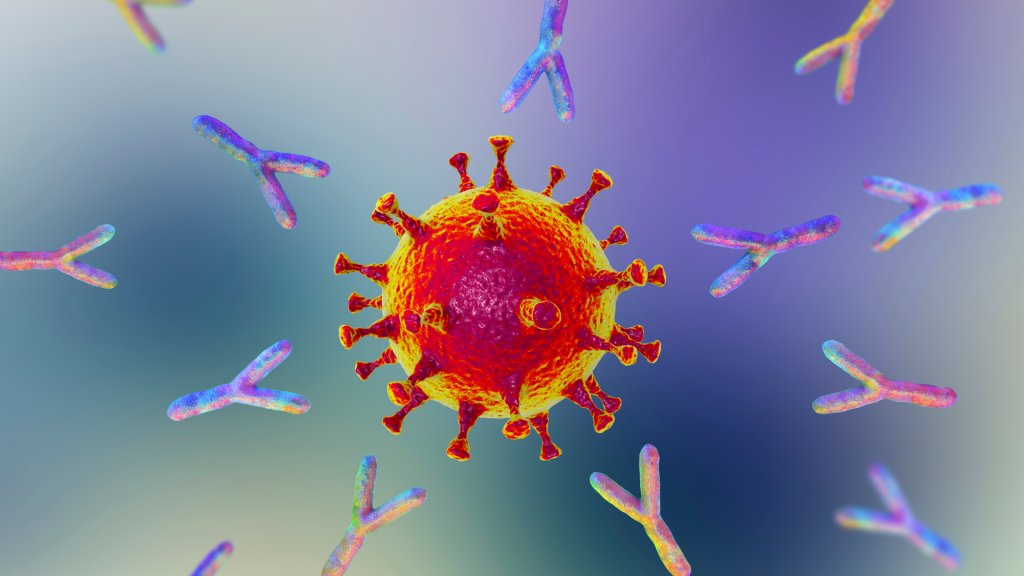
Aggregated inflammatory indices, such as NLR, PLR, MLR, SII, SIRI, and AISI/PIV, are attracting increasing attention because they allow inflammation to be viewed not through a single marker, but through the relationships between different elements of the immune response. In peri-implantitis, this may be particularly relevant, as the disease develops at the intersection of biofilm, […]
From CRP to SII. Why may single inflammatory markers not be enough?

CRP, leukocytes, and pro-inflammatory cytokines are among the most recognizable markers of inflammation. In the context of peri-implantitis, they may provide valuable information about the activity of the inflammatory response, but they also have important limitations. A single marker reflects only one fragment of a complex biological process and usually does not capture the full […]
Can a blood test help assess a patient with peri-implantitis?

Peri-implantitis is diagnosed primarily on the basis of clinical and radiological assessment: evaluation of peri-implant tissues, bleeding on probing, probing depth, suppuration, implant mobility, and bone loss. Increasingly, however, the question arises whether in some patients it is worth looking more broadly — also at the systemic inflammatory response. Blood tests do not replace local […]
The implant patient as a systemic patient. How do chronic diseases affect the risk of peri-implantitis?
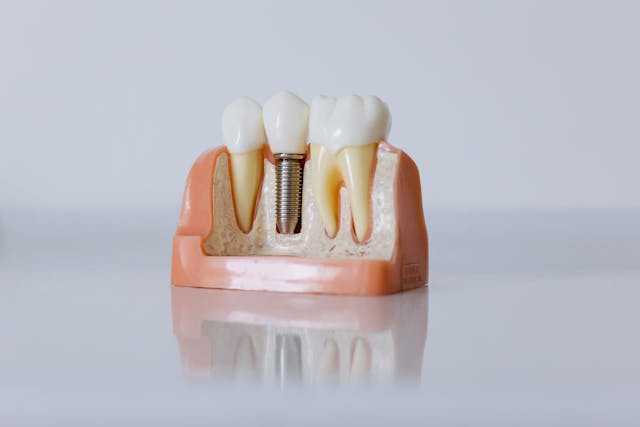
Peri-implantitis is becoming increasingly difficult to describe solely as a local complication around an implant. Bacterial biofilm remains a key factor initiating inflammation, but the course of the disease may be modified by the patient’s systemic health, metabolism, chronic diseases, and immune response profile. Diabetes, obesity, metabolic syndrome, cardiovascular disease, osteoporosis, and autoimmune disorders do […]
Why can peri-implantitis progress faster than periodontitis?
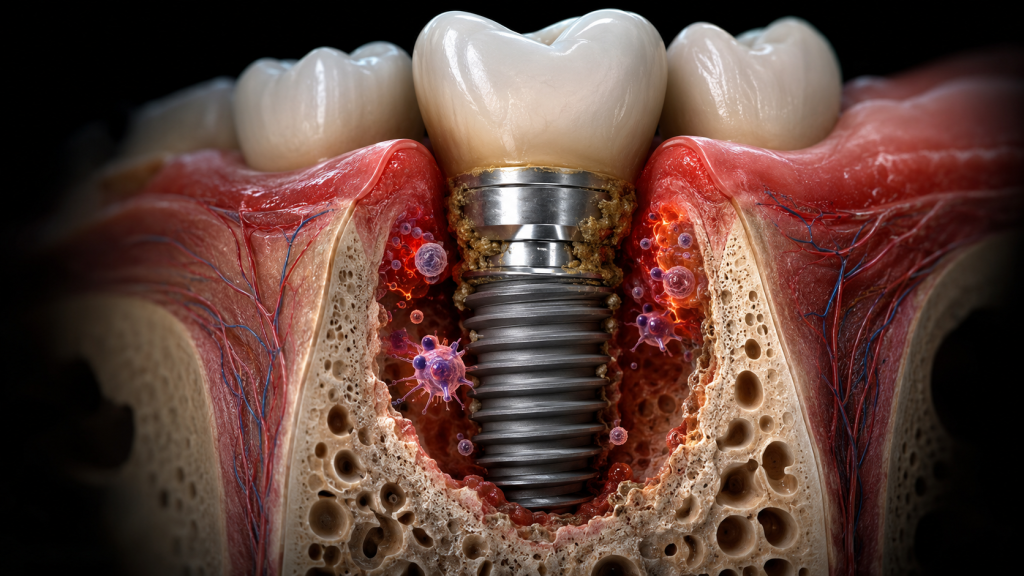
Peri-implantitis is often informally compared to periodontal disease developing around an implant. This comparison is understandable, but incomplete. Although periodontitis and peri-implantitis share the involvement of bacterial biofilm and a chronic host inflammatory response, the tissues surrounding an implant differ from those around a natural tooth. Different anatomy, altered soft tissue organization, the absence of […]
Peri-implantitis does not end with biofilm
For many years, peri-implantitis has been described primarily as a consequence of bacterial biofilm and the local inflammatory response around the implant. This model remains fundamental to understanding the disease, but it is becoming increasingly clear that it does not fully explain the complexity of the problem. Bone loss around an implant may result from […]
SIMREX: a project-based immune-inflammatory index in peri-implantitis

Peri-implantitis is a disease that cannot be fully described by a single parameter. Biofilm, host immune response, the patient’s systemic condition, local peri-implant factors, and potential material-related aspects all contribute to a complex clinical picture. This is why the PERI-EDU project introduces the concept of SIMREX — an immune-inflammatory response index designed specifically for peri-implant […]
From immunology to clinical decision-making. How can basic sciences be connected with implant practice?
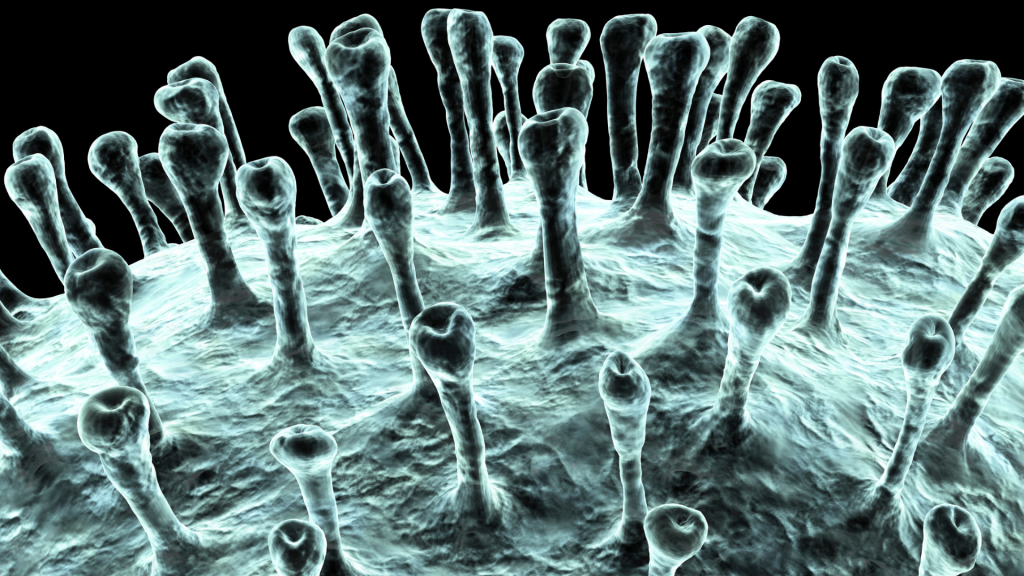
Peri-implantitis is a good example of a disease in which knowledge of immunology, microbiology, bone biology, and systemic diseases directly influences the understanding of the clinical situation. What students learn as mechanisms of inflammatory response, cytokine activation, or bone resorption becomes, in implant dentistry, the basis for interpreting a real patient. The PERI-EDU project shows […]
How should we teach peri-implantitis as a multifactorial disease?

Peri-implantitis is increasingly difficult to present to students solely as a local complication related to bacterial biofilm. Biofilm remains the starting point, but the course of the disease also depends on the host immune response, bone biology, systemic diseases, local factors, prosthetics, and long-term patient maintenance. The PERI-EDU project shows that modern teaching of peri-implantitis […]
Why can peri-implantitis progress faster than gum disease?
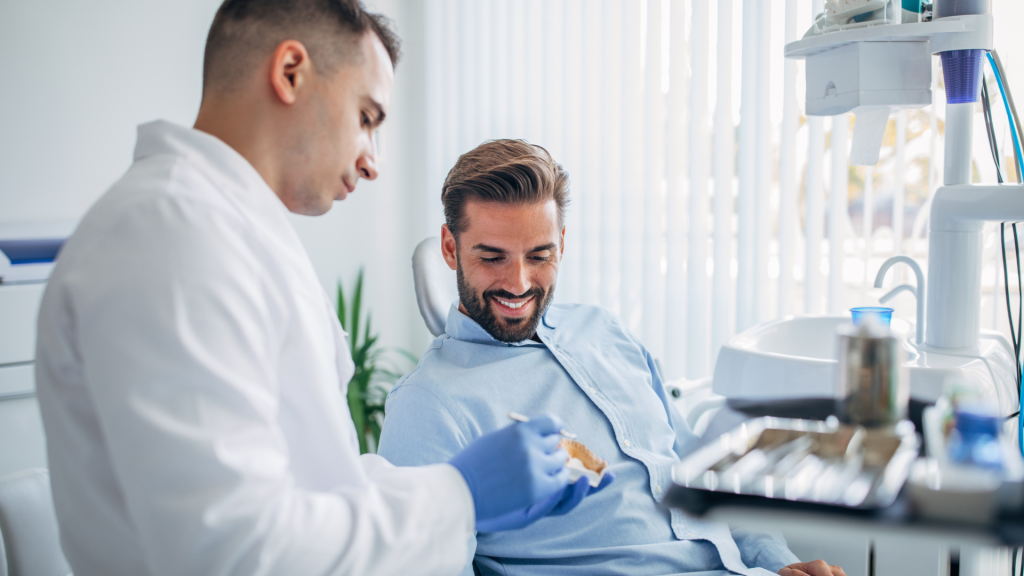
An implant replaces a tooth, but it is not a tooth. The tissues around an implant are different from the tissues around a natural tooth. This is why inflammation around an implant may sometimes progress faster and be harder to notice. It is one of the reasons why implants need regular check-ups, even when nothing […]