
Aggregated inflammatory indices in peri-implantitis
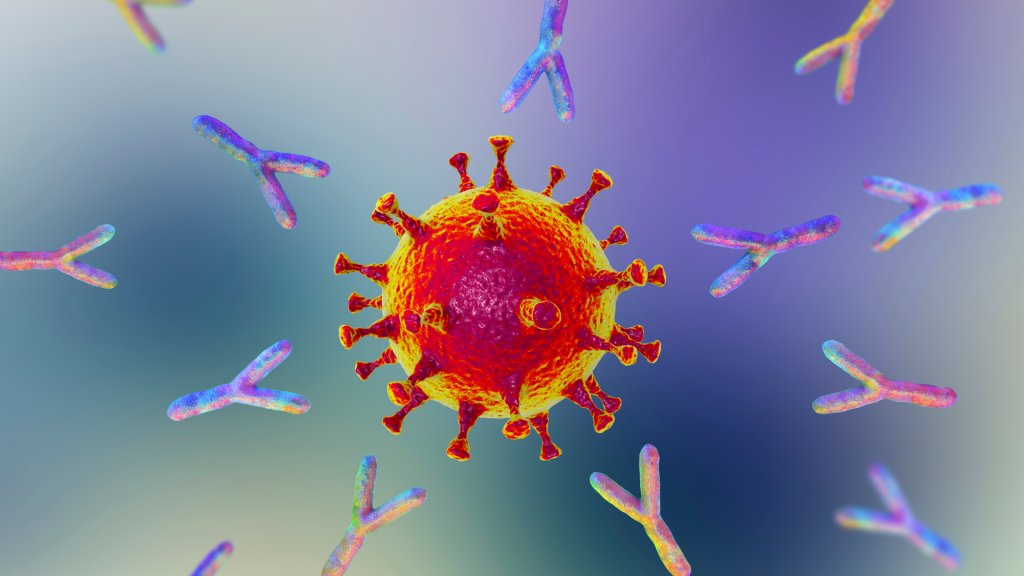
Aggregated inflammatory indices, such as NLR, PLR, MLR, SII, SIRI, and AISI/PIV, are attracting increasing attention because they allow inflammation to be viewed not through a single marker, but through the relationships between different elements of the immune response. In peri-implantitis, this may be particularly relevant, as the disease develops at the intersection of biofilm, […]
From CRP to SII. Why may single inflammatory markers not be enough?

CRP, leukocytes, and pro-inflammatory cytokines are among the most recognizable markers of inflammation. In the context of peri-implantitis, they may provide valuable information about the activity of the inflammatory response, but they also have important limitations. A single marker reflects only one fragment of a complex biological process and usually does not capture the full […]
Why can peri-implantitis progress faster than periodontitis?
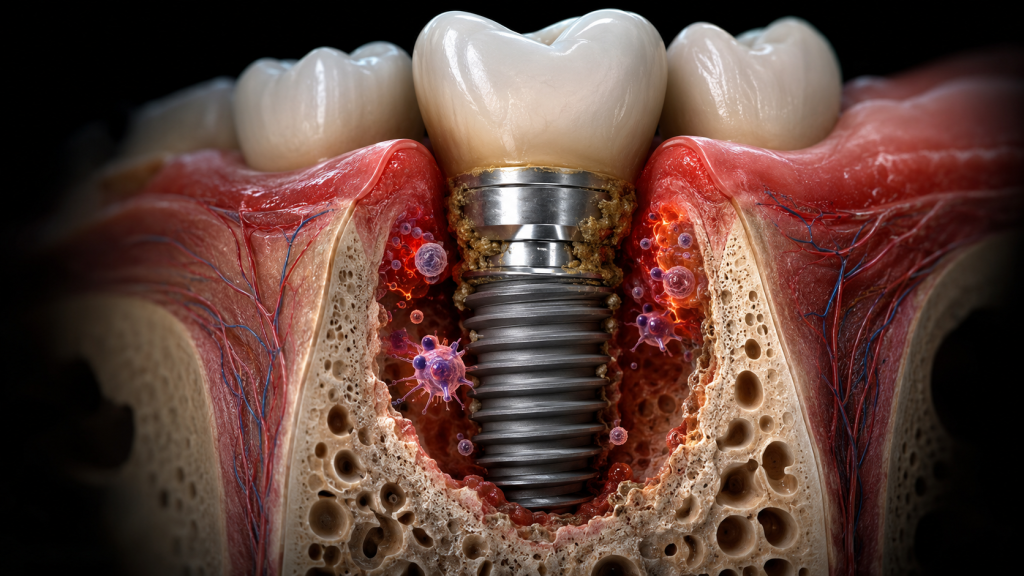
Peri-implantitis is often informally compared to periodontal disease developing around an implant. This comparison is understandable, but incomplete. Although periodontitis and peri-implantitis share the involvement of bacterial biofilm and a chronic host inflammatory response, the tissues surrounding an implant differ from those around a natural tooth. Different anatomy, altered soft tissue organization, the absence of […]
How should we teach peri-implantitis as a multifactorial disease?

Peri-implantitis is increasingly difficult to present to students solely as a local complication related to bacterial biofilm. Biofilm remains the starting point, but the course of the disease also depends on the host immune response, bone biology, systemic diseases, local factors, prosthetics, and long-term patient maintenance. The PERI-EDU project shows that modern teaching of peri-implantitis […]