
Can a blood test help assess a patient with peri-implantitis?

Peri-implantitis is diagnosed primarily on the basis of clinical and radiological assessment: evaluation of peri-implant tissues, bleeding on probing, probing depth, suppuration, implant mobility, and bone loss. Increasingly, however, the question arises whether in some patients it is worth looking more broadly — also at the systemic inflammatory response. Blood tests do not replace local […]
Why can peri-implantitis progress faster than periodontitis?
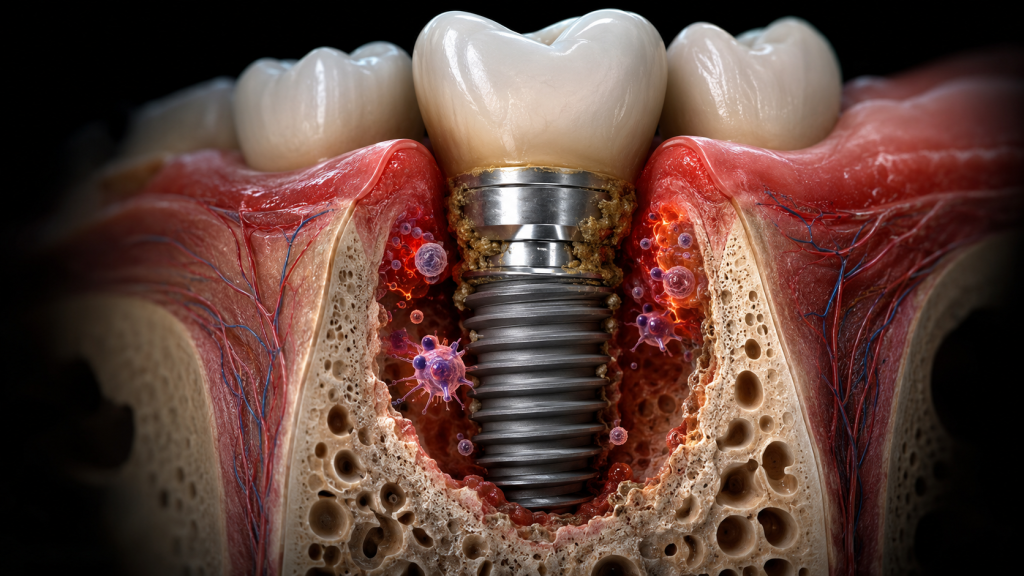
Peri-implantitis is often informally compared to periodontal disease developing around an implant. This comparison is understandable, but incomplete. Although periodontitis and peri-implantitis share the involvement of bacterial biofilm and a chronic host inflammatory response, the tissues surrounding an implant differ from those around a natural tooth. Different anatomy, altered soft tissue organization, the absence of […]
Diabetes and implants: why blood sugar control matters
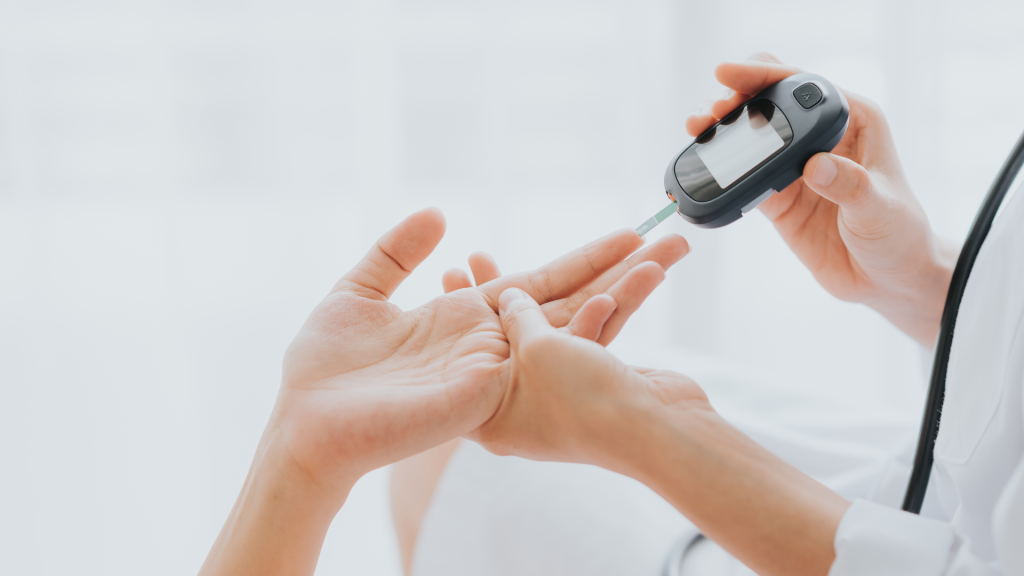
Diabetes does not always exclude implant treatment, but it requires good control. High blood sugar may make healing more difficult, intensify inflammation, and increase the risk of problems around implants. If you have diabetes, tell your dentist and keep up with both dental and general medical check-ups. Implants can be used in many people with […]
An implant also needs check-ups
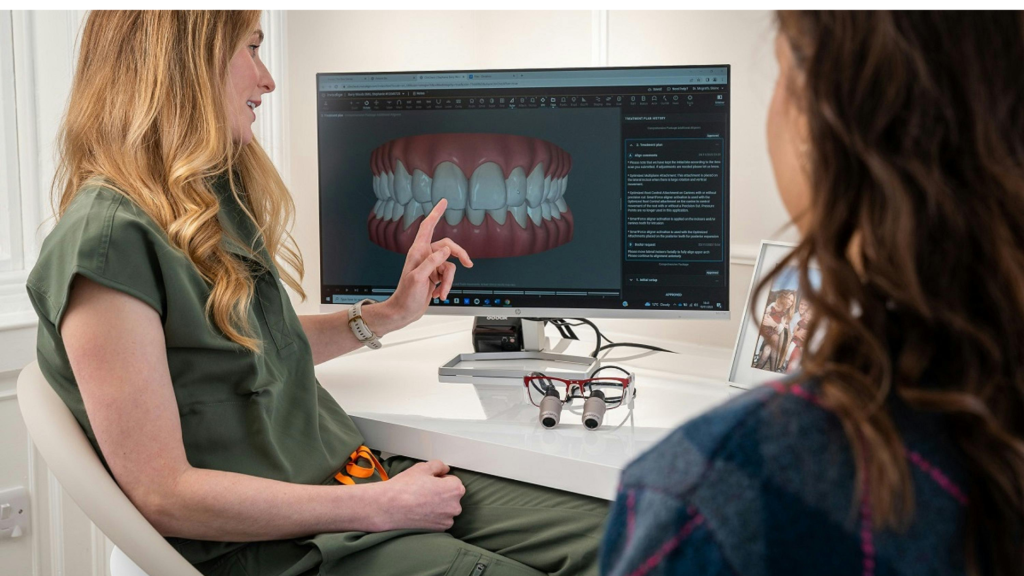
An implant is not a natural tooth, but it still needs regular care. It cannot get tooth decay, but the gum and bone around it can become inflamed. You may not feel pain and you may not see any problem, while inflammation is already developing in the tissues. This is why regular check-ups are one […]