
From immunology to clinical decision-making. How can basic sciences be connected with implant practice?
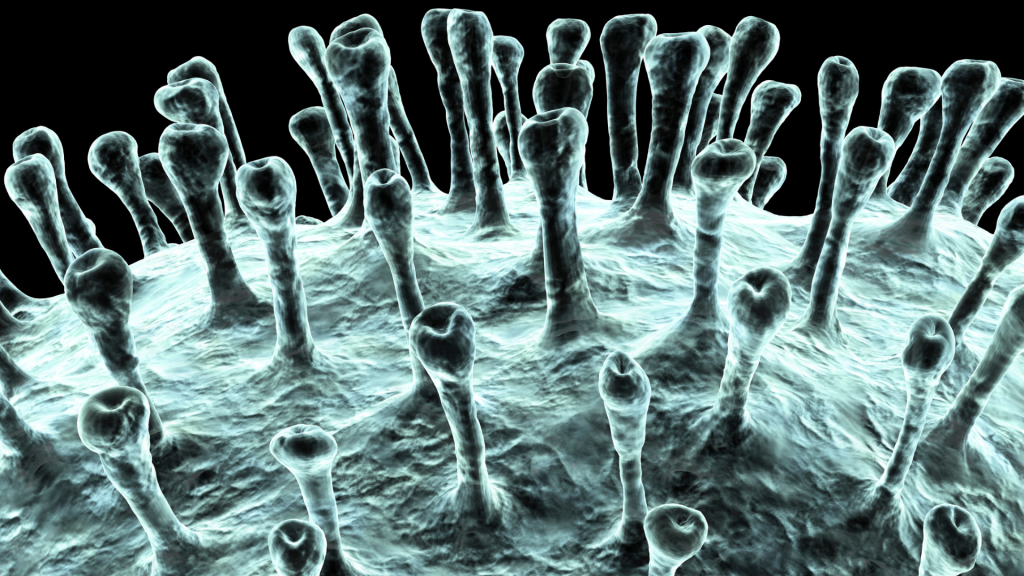
Peri-implantitis is a good example of a disease in which knowledge of immunology, microbiology, bone biology, and systemic diseases directly influences the understanding of the clinical situation. What students learn as mechanisms of inflammatory response, cytokine activation, or bone resorption becomes, in implant dentistry, the basis for interpreting a real patient. The PERI-EDU project shows […]
Data, indices and critical thinking. How can students be prepared for modern peri-implantitis diagnostics?

Modern diagnostics of peri-implantitis is not only about collecting individual parameters, but about interpreting them responsibly. Bleeding on probing, pocket depth, radiological findings, soft tissue condition, history of periodontitis, systemic diseases and potential inflammatory markers should be understood as elements of one clinical puzzle. The PERI-EDU project shows that academic education should prepare students not […]
How should we teach peri-implantitis as a multifactorial disease?

Peri-implantitis is increasingly difficult to present to students solely as a local complication related to bacterial biofilm. Biofilm remains the starting point, but the course of the disease also depends on the host immune response, bone biology, systemic diseases, local factors, prosthetics, and long-term patient maintenance. The PERI-EDU project shows that modern teaching of peri-implantitis […]
What can blood tests tell us about inflammation around implants?
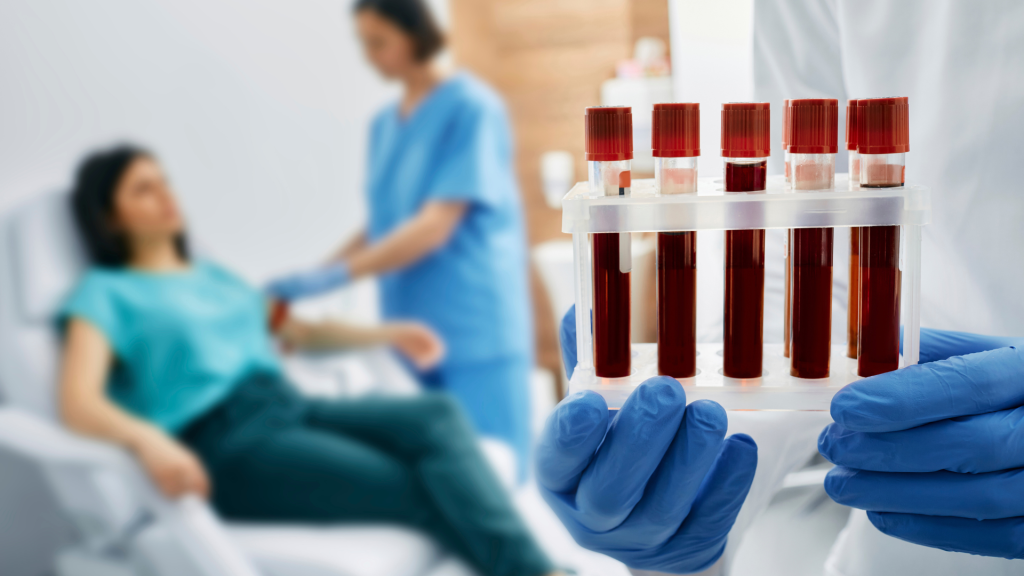
Blood tests are not used to diagnose peri-implantitis on their own. They do not replace examination of the implant, gum, bone, or an X-ray. However, they may help the clinician better understand the general condition of the body, especially when chronic inflammation, diabetes, or other diseases affecting healing are present. When a problem appears around […]
From mucositis to peri-implantitis: why early inflammation should be stopped
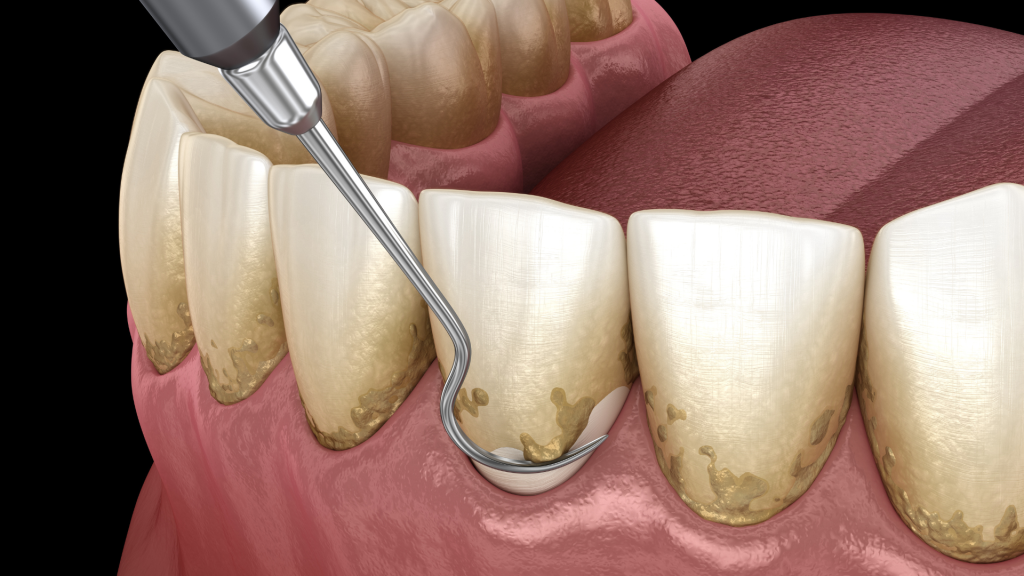
Inflammation around an implant does not always mean a serious disease at once. At first, it may affect only the gum and can often be reversed. This stage is called peri-implant mucositis. The problem becomes more serious when inflammation continues and starts to affect the bone around the implant. This is called peri-implantitis. Two main […]
Bleeding around an implant: a small sign, an important signal
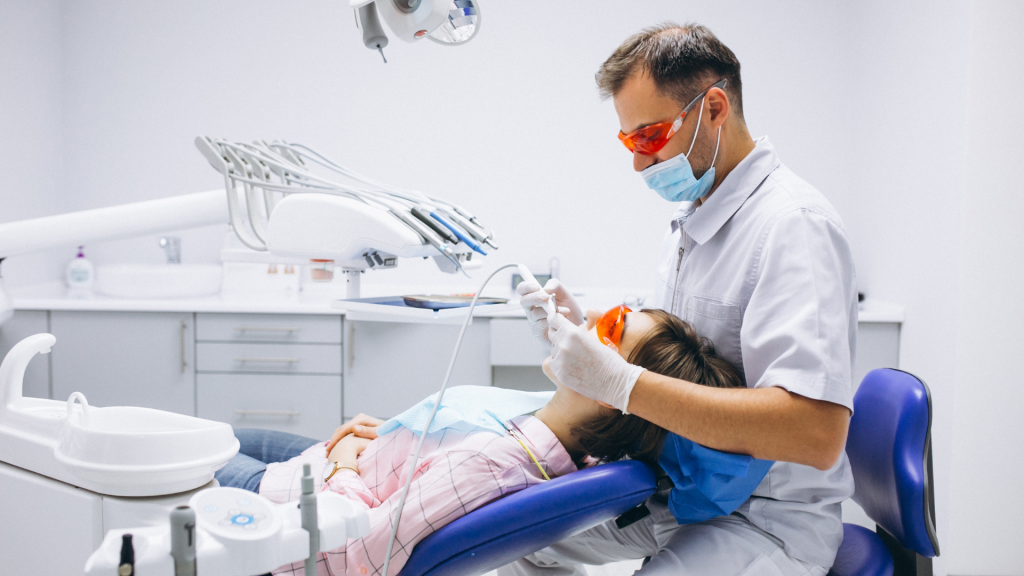
Blood when brushing or cleaning around an implant should not be treated as normal. Bleeding may be one of the first signs of gum inflammation around the implant. It does not always mean a serious problem, but it is always a signal worth checking. The earlier you find the cause, the easier it may be […]
Diabetes and implants: why blood sugar control matters
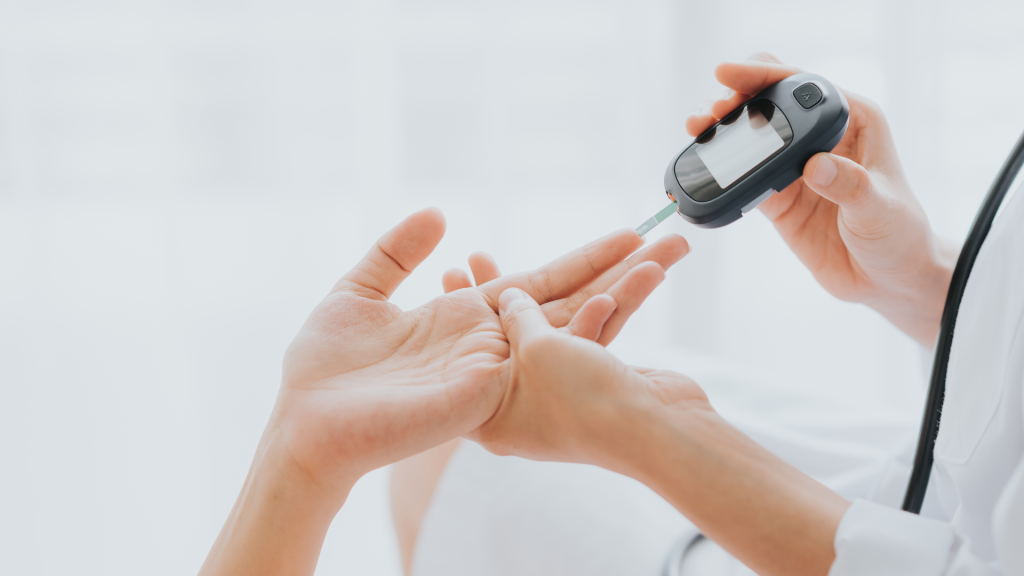
Diabetes does not always exclude implant treatment, but it requires good control. High blood sugar may make healing more difficult, intensify inflammation, and increase the risk of problems around implants. If you have diabetes, tell your dentist and keep up with both dental and general medical check-ups. Implants can be used in many people with […]
Why can peri-implantitis progress faster than gum disease?
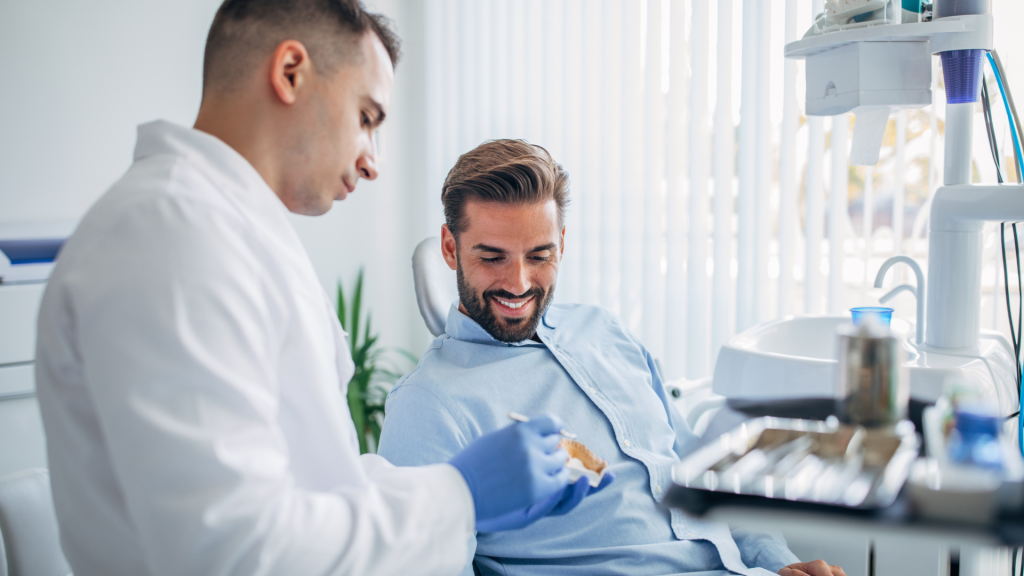
An implant replaces a tooth, but it is not a tooth. The tissues around an implant are different from the tissues around a natural tooth. This is why inflammation around an implant may sometimes progress faster and be harder to notice. It is one of the reasons why implants need regular check-ups, even when nothing […]
Who is at higher risk of peri-implantitis?

Peri-implantitis can develop in different people, but some patients have a higher risk. Oral hygiene, smoking, diabetes, previous gum disease, difficulty cleaning around the implant, overload, and lack of regular check-ups all matter. The more risk factors you have, the more important systematic dental care becomes. Not every patient with an implant has the same […]
Peri-implantitis and the health of the whole body

The mouth is not separate from the rest of the body. Inflammation around implants may be connected with your general health, and systemic diseases may influence how the tissues around an implant react and heal. This is why dentists increasingly look not only at the implant, but also at the patient’s overall health. An implant […]