
Integrating Peri-Implantitis Research into Higher Education Curriculum
Developing and Integrating Evidence-Based Teaching Materials and Clinical Tools
PERI-EDU Online Meeting Focused on Dissemination, Research Coordination and Project Implementation
In March 2026, the PERI-EDU project partners met online to discuss several key issues related to project implementation, dissemination activities, and the coordination of ongoing research tasks.
One of the main topics of the meeting was dissemination and communication within the project. The partners reviewed the rules for presenting project-related content, with particular attention to the correct use of the EU visual identity, including the co-funding logo and the required disclaimer. The consortium also discussed the need to establish common hashtags and a more coordinated approach to social media communication in order to improve the visibility and consistency of project promotion.
Another important point concerned the transfer of biological material and the progress made by individual partners. The meeting addressed pending documentation and ethical approval issues, especially in relation to the institutions still finalizing the agreement procedure. These matters were discussed as essential for the continuation of research activities and for ensuring that all consortium members could proceed in line with the project framework.
The partners also discussed practical aspects of the shipment of implants to Poland, including labeling requirements, preservation conditions, and organizational details related to delivery. This exchange helped clarify the operational steps necessary for the proper handling of research material within the project.
In addition, the consortium reviewed matters related to the project website and content management. The discussion included the current website layout, possible additional functionalities, access rights for editing content, and the coordination of materials to be published online. The importance of systematic communication with partners and timely delivery of content for the website was also emphasized.
A further significant issue concerned the implementation of WP3. Due to difficulties related to the rarity of peri-implantitis cases, which directly affects patient recruitment and the research component of the project, the partners discussed the need to request an extension of activities under this work package. This was recognized as an important step in ensuring the completion of the scientific objectives of the project.
The meeting provided an opportunity to coordinate dissemination, research, and management activities across the consortium and to prepare the necessary actions for the next phase of PERI-EDU implementation.
PERI-EDU Urgent Online Meeting Held in December 2025
In December 2025, the PERI-EDU project partners held an urgent online meeting to address several important issues related to the implementation of the project and the coordination of upcoming activities.
The meeting was convened in response to difficulties encountered during the project implementation phase. Partners discussed the current challenges affecting the progress of work and the need to ensure stronger coordination within the consortium in the following months. Emphasis was placed on maintaining active communication between partners and securing broad participation in project meetings.
One of the important topics linked to the discussions was the progress of dissemination activities, especially in the area of social media communication. As this task is assigned within the project structure, the partners underlined the importance of reviewing the status of ongoing work and clarifying responsibilities related to online visibility and promotion of project results.
The consortium also addressed research-related organizational matters connected with patient recruitment and laboratory procedures. Following the signing of the agreement on the transfer of biological material, the partners discussed the next steps in the implementation of the study. Particular attention was given to blood tests and laboratory requirements, including clarification of which tests are mandatory and which may be treated as optional or supportive. This issue was especially important in the context of budget limitations and the need to prioritize expenditures while ensuring compliance with the project protocol.
The discussion helped the partners align their understanding of the project’s immediate priorities and identify the actions necessary to support the continued implementation of PERI-EDU. The meeting also confirmed the need for close cooperation in the areas of project management, dissemination, and research coordination.
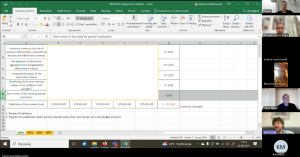
PERI-EDU Online Meeting Held on 22 September 2025
On 22 September 2025, the partners of the PERI-EDU project met online to discuss the next stage of project implementation, with particular attention given to the project schedule, reporting obligations, and recommendations received from the National Agency.
One of the key topics of the meeting was the updated project schedule and budget distribution across the work packages. The consortium reviewed the proposed timeline for planned activities and discussed the need to verify deadlines and the financial allocation assigned to individual tasks. Special attention was given to activities within WP3, WP4 and WP5, including publication-related tasks and partner involvement in the review process.
The meeting also focused on several substantive and organizational issues that needed to be addressed following the post-audit recommendations. The partners discussed the revision of quantitative and qualitative indicators, clarification of the types of training materials to be developed, and a more precise description of the target group with special needs and the way this group should be included in the project activities. In addition, the consortium reviewed internal reporting requirements, expenditure planning under WP1, the evaluation plan, and the expected interactivity of the project website.
An important point of reference for the discussion was the information that the PERI-EDU periodic report had been accepted. At the same time, the consortium reviewed the feedback provided by the National Agency, which emphasized the need to describe the activities of the entire consortium in future reports, to publish basic project information on the website together with the EU co-financing logo, and to include broader dissemination information in subsequent reports.
Following the meeting, the partners were also asked to review a draft document containing the proposed project indicators to be presented to the Erasmus+ Agency. Particular attention was requested for the sections related to WP4 and WP5, as well as for the part concerning expected project outcomes for people with disabilities.
PERI-EDU Online Meeting Held on 27 May 2025
On 27 May 2025, the partners of the PERI-EDU project met online to discuss several important issues related to the ongoing implementation of the project.
One of the main topics of the meeting was the development of the PERI-EDU website. The partners reviewed the preliminary website layout and discussed its structure, functionality, and content. The draft was positively received and considered a good basis for further work. It was agreed that the website would now be supplemented with additional materials and information provided by the partners.
The consortium also focused on preparations for the upcoming Erasmus+ monitoring visit, scheduled for 12 June 2025 at Wroclaw Medical University. In this context, the partners reviewed the documentation that must be prepared in advance, including WP2 time sheets, reports on activities carried out within WP3, WP4 and WP5, as well as financial information concerning the use of funds in the period from October 2024 to March 2025.
Another important point of discussion concerned the revised agreement on the transfer of biological material. The partners were reminded of the need to complete the required institutional data, sign the documents, and return the finalized versions together with the appendices.
The meeting was an important opportunity to coordinate current tasks, discuss responsibilities, and ensure that all consortium members are well prepared for the next stages of the project.
14–16 January 2025
Kick-Off Meeting of the PERI-EDU Project in Wroclaw
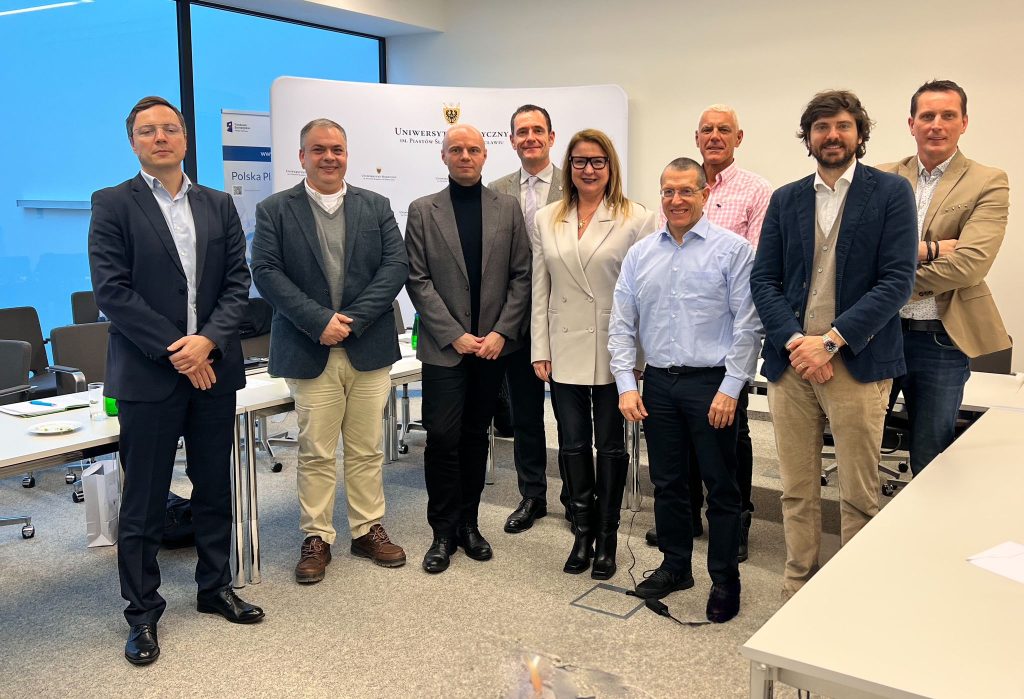
From 14 to 16 January 2025, the Medical University of Wroclaw hosted the inaugural meeting of the Erasmus+ project PERI-EDU (formerly B-GAP)
(Project number: 2024-1-PL01-KA220-HED-000251208).
As the coordinating institution, the Medical University of Wroclaw played a central role in launching the project and establishing the framework for future cooperation. The kick-off meeting brought together representatives of all partner institutions involved in the consortium and marked the official beginning of joint work on integrating peri-implantitis research into higher education curricula and developing evidence-based teaching materials and clinical tools.
The Medical University of Wroclaw was represented by:
Prof. Marzena Dominiak
Dr hab. Jacek Matys
Dr hab. Paweł Kubasiewicz-Ross
Victor Geller
The partner institutions were represented by:
Prof. Eduard Valmaseda Castellón – University of Barcelona, Spain
Prof. Anton Sculean – University of Bern, Switzerland
Prof. Ricardo Alves – Egas Moniz University, Portugal
Dr. Piero Papi – Sapienza University of Rome, Italy
The meeting provided an opportunity not only to formally open the project, but also to strengthen cooperation between the participating institutions and define the key principles of collaboration for the coming months.