
Integrating Peri-Implantitis Research into Higher Education Curriculum
Developing and Integrating Evidence-Based Teaching Materials and Clinical Tools
Recently from the study
News and insights
Our Goal
Bridging
Research and Education
in Peri-Implantitis
We aim to bring the latest peri-implantitis research into higher education by creating practical, evidence-based teaching materials and clinical tools that help students and professionals improve patient care.

Advanced
Clinical Research

Cutting-Edge
Diagnostic Tools

Interdisciplinary Collaboration

Education
& Knowledge Transfer
Cofounded
by European Union
Frequently asked question.
What is peri-implantitis?
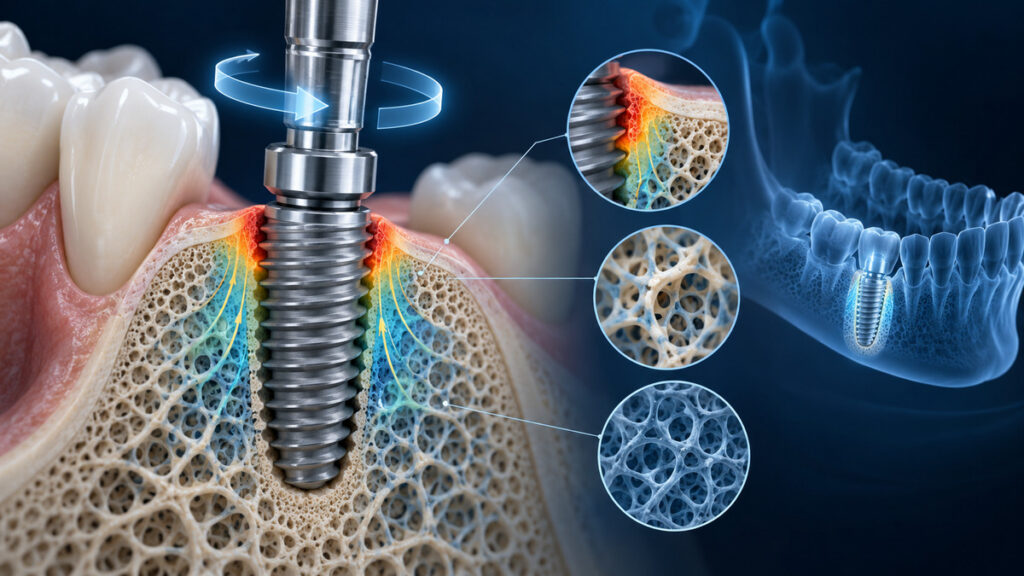
Peri-implantitis is an inflammatory disease that affects the tissues surrounding a dental implant. It is characterized by inflammation of the peri-implant soft tissues together with progressive loss of supporting bone. If left untreated, it may compromise implant stability and eventually lead to implant failure.
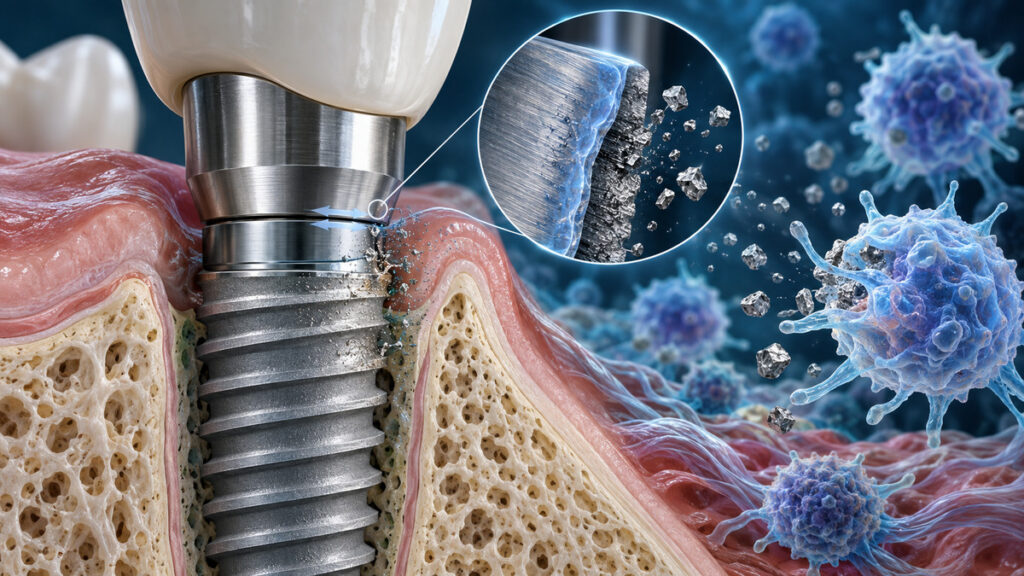
Within the PERI-EDU project, peri-implantitis is approached as a complex and multifactorial condition. In addition to bacterial plaque and biofilm, current research also considers the possible role of host immune response, systemic inflammatory status, implant surface changes, mechanical overload, and the release of titanium particles or metal ions. This broader perspective helps to better understand why some implants remain stable for years, while others develop progressive tissue destruction.
What are the main risk factors for peri-implantitis?
Peri-implantitis does not usually result from a single cause. Instead, it develops through the interaction of several local and systemic factors. The main risk factors include:
- poor plaque control and inadequate oral hygiene,
- a history of periodontitis,
- smoking,
- insufficient supportive maintenance after implant treatment,
- systemic conditions that may affect inflammation or healing,
- prosthetic and implant-related factors that make hygiene difficult,
- biomechanical overload,
- possible corrosion, surface degradation, or material-related changes around the implant.
The PERI-EDU project also explores whether inflammatory markers, bone characteristics, and implant material alterations may help explain differences in susceptibility and disease progression between patients.
Can peri-implantitis be reversed?
Peri-implantitis is more difficult to reverse than peri-implant mucositis. Once bone loss has occurred, complete restoration of the original tissue condition is not always possible. For this reason, early diagnosis and timely intervention are essential.
In many cases, however, the disease can be controlled. Treatment may reduce inflammation, stop or slow further bone loss, and improve the long-term prognosis of the implant. The outcome depends on several factors, including the severity of the lesion, implant surface characteristics, patient-related risk factors, and the effectiveness of maintenance care.
What are the current treatment options?
Current treatment options for peri-implantitis depend on the severity of the disease and the underlying contributing factors. They may include:
- improvement of oral hygiene and supportive care,
- professional non-surgical decontamination of the implant surface,
- control of plaque-retentive prosthetic factors,
- anti-infective or adjunctive therapies in selected cases,
- surgical treatment aimed at access, decontamination, and defect management,
- regenerative or resective procedures, depending on the clinical situation,
- removal of the implant in advanced or non-manageable cases.
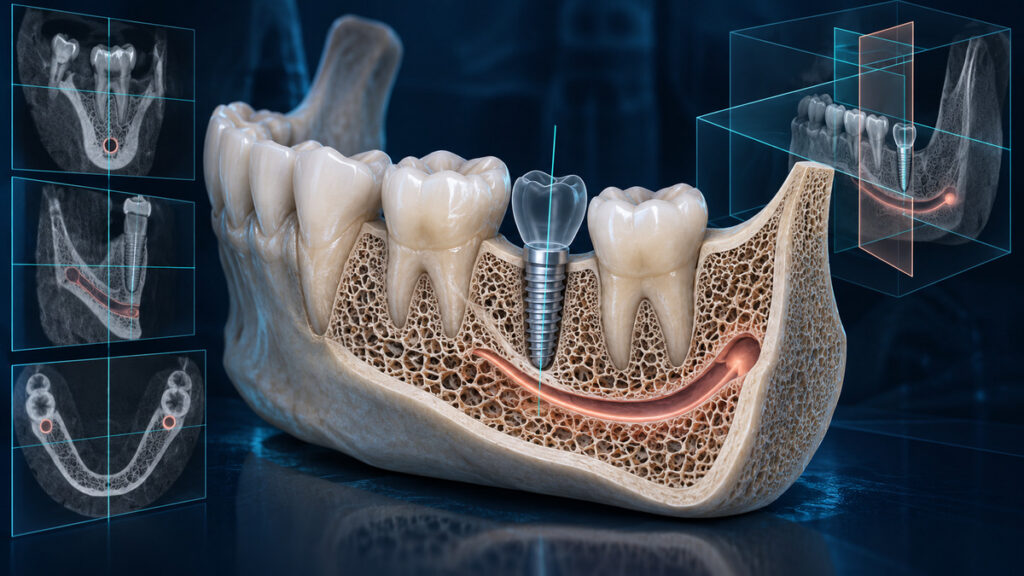
From the PERI-EDU perspective, effective treatment should not focus only on infection control. It should also take into account the biological, mechanical, and material-related aspects of the disease. This is why the project combines clinical, radiological, laboratory, and implant-surface analyses to support a more comprehensive understanding of peri-implantitis and its management.
How can peri-implantitis be prevented?
Prevention of peri-implantitis should begin before implant placement and continue throughout the entire life of the implant. Current evidence-based guidelines emphasize careful treatment planning, correct implant positioning, prosthetic designs that allow effective cleaning, and regular supportive peri-implant care after loading. Long-term prevention also depends on controlling known risk factors such as poor plaque control, smoking, uncontrolled diabetes, and a history of periodontitis.
An especially important point is that peri-implant mucositis should not be ignored. Consensus recommendations indicate that mucositis is a predisposing factor for peri-implantitis, which means that early control of soft-tissue inflammation may reduce the risk of later bone loss around implants. Regular monitoring of peri-implant tissue health, reinforcement of oral hygiene, and timely professional maintenance are therefore central to prevention.
From the PERI-EDU perspective, prevention is not limited to plaque control alone. It also involves awareness of broader biological and mechanical influences, including systemic inflammatory burden, prosthetic cleansability, and material-related changes that may affect peri-implant tissue stability over time.
What role do hygienists and general dentists play in early detection?
Dental hygienists and general dentists play a key role in the early detection of peri-implant disease because they are usually the professionals who see patients most regularly during maintenance visits. Clinical practice guidance highlights the importance of structured supportive peri-implant care with periodic assessment of peri-implant tissue health, so that signs of disease can be identified as early as possible.
In practice, early detection involves checking for signs such as plaque accumulation, bleeding on probing, suppuration, increasing probing depths, soft-tissue inflammation, and radiographic evidence of bone loss when indicated. Recent consensus work on surveillance and screening also underlines the value of diagnostic methods used to monitor peri-implant conditions over time, rather than relying on a single isolated observation.
This means that hygienists and general dentists are essential not only for routine maintenance, but also for recognizing early warning signs, documenting changes, educating patients, and referring cases for specialist evaluation when disease progression is suspected. Their role is therefore central to both prevention and timely intervention.